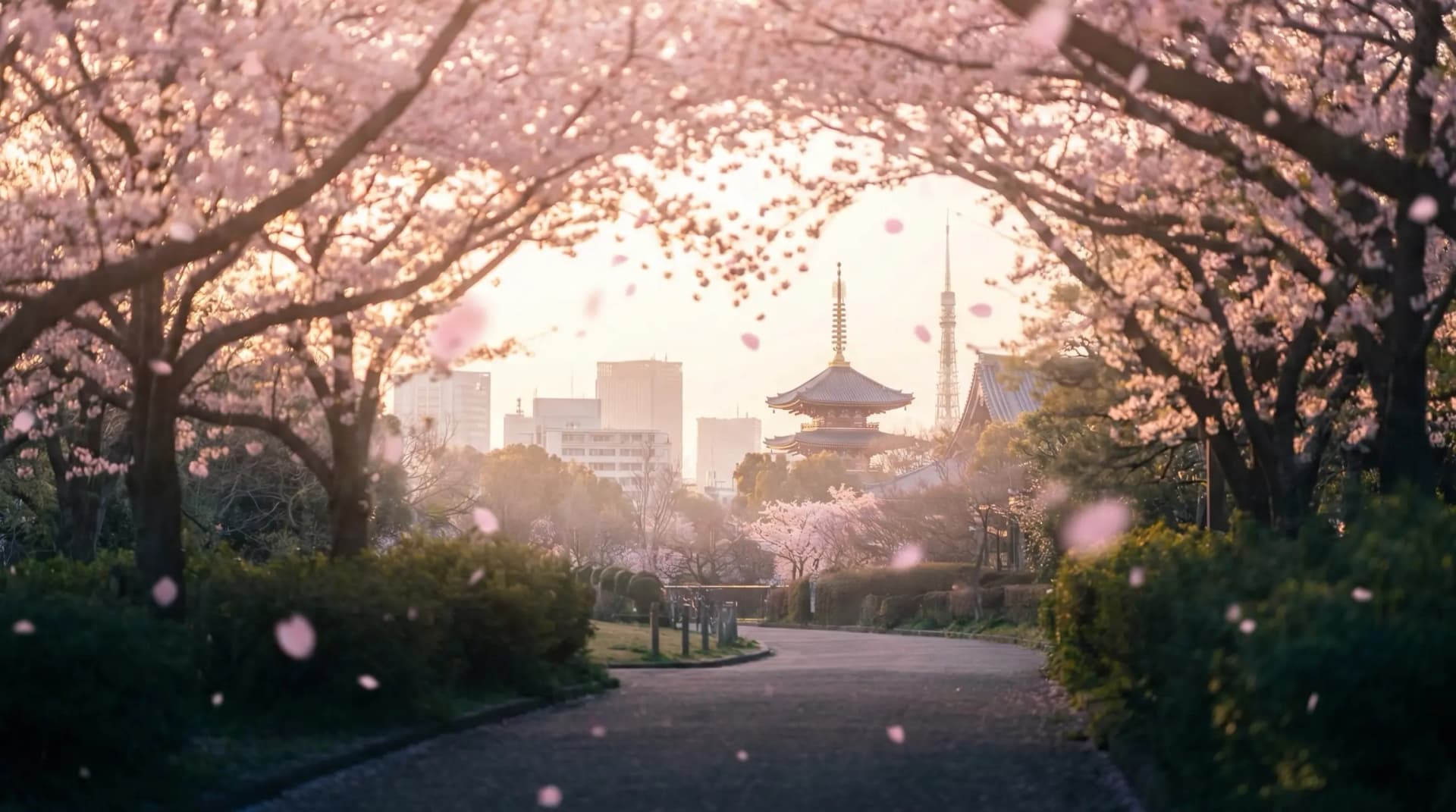
October in Tokyo means perfect walking weather—mild temperatures, low humidity, and occasional light showers. Packing the right gear ensures you're comfortable exploring temples, walking neighborhoods, and enjoying everything the city offers. This guide covers everything you need for a well-prepared Tokyo adventure.
October weather in Tokyo: 10–18°C (50–64°F) with occasional light showers. The key to comfort is layering—cool mornings warm up by midday, then cool down again in the evening. Pack versatile pieces that work together.
Why packing matters for Tokyo in October
October's weather is ideal for exploring, but temperature swings throughout the day require smart packing. You'll walk 15–20k steps daily, visit temples (requiring shoe removal), and experience both indoor and outdoor spaces. The right gear makes all the difference.
Packing challenges for Tokyo
- Temperature swings: 10°C mornings to 18°C afternoons
- Extensive walking: comfortable shoes are non-negotiable
- Temple visits: easy-on, easy-off footwear required
- Occasional rain: lightweight rain protection needed
- Indoor/outdoor transitions: layers you can add/remove quickly
What makes October packing easier
- No heavy winter gear needed—light layers suffice
- Low humidity means less sweat, more comfort
- No need for bulky rain gear—compact umbrella works
- Versatile clothing works for day and evening
- Smaller luggage possible with smart packing
Weather-appropriate clothing
October's mild temperatures require a layered approach. Here's what to pack:
Base layers
T-shirts & long-sleeve tops
- 3–4 breathable cotton or merino wool t-shirts
- 2–3 long-sleeve shirts (lightweight, can layer under sweaters)
- Choose neutral colors that mix and match easily
Lightweight sweaters & cardigans
- 2–3 light sweaters or cardigans (perfect for mornings and evenings)
- Merino wool or cashmere blends pack small and regulate temperature
- One can be slightly heavier for cooler days
Outer layers
Light jacket or coat
- One lightweight, packable jacket (water-resistant if possible)
- Options: light down jacket, softshell, or trench coat
- Should be comfortable for 10–12°C mornings
Rain protection
- Compact, lightweight umbrella (Tokyo convenience stores sell them, but bring your own)
- Optional: packable rain jacket (if you prefer over umbrella)
Layering strategy: Start with a t-shirt, add a long-sleeve or sweater for mornings, then remove layers as it warms. Keep a light jacket in your daypack for evening. This approach covers the full temperature range comfortably.
Bottoms
Pants
- 2–3 pairs of comfortable walking pants (chinos, travel pants, or jeans)
- One pair can be slightly dressier for nice dinners
- Avoid heavy denim—lighter fabrics are more comfortable for long walks
Leggings or tights (optional)
- For cooler days or as base layer under pants
- Especially useful if you run cold
Footwear essentials
Walking shoes
- One pair of comfortable, broken-in walking shoes (you'll walk 15–20k steps daily)
- Supportive sneakers or walking shoes—this is your most important gear choice
- Water-resistant if possible (for occasional puddles)
Easy-on, easy-off shoes
- Slip-on shoes or sandals for temple visits (you'll remove shoes frequently)
- Also useful for quick convenience store runs
- Consider foldable flats or comfortable slip-ons
Socks
- 5–7 pairs of moisture-wicking socks
- Bring extra—you'll want fresh socks after long walking days
- Consider compression socks for long flights
Shoe removal: You'll remove shoes at temples, some restaurants, and traditional accommodations. Choose shoes that are easy to slip on/off and always wear clean, presentable socks (no holes!).
Essential accessories
Weather protection
Umbrella
- Compact, lightweight umbrella (fits in daypack)
- Tokyo gets occasional light showers—you'll use it
- Can purchase at convenience stores, but bringing your own is more reliable
Hat or cap (optional)
- Lightweight cap for sunny days
- Keeps sun off during long walks
Daypack essentials
Daypack or crossbody bag
- Comfortable daypack for carrying layers, water, and purchases
- Crossbody bag also works—keeps hands free
- Should be secure (pickpocketing is rare, but be smart)
Reusable water bottle
- Tokyo has excellent tap water—refillable bottle saves money and waste
- Many parks and stations have water fountains
Small bag for trash
- Public trash bins are rare in Tokyo
- Small reusable bag for carrying trash until you find a bin
Temple & cultural essentials
Small towel or handkerchief
- Many temples have purification fountains—handy for drying hands
- Also useful for general cleanup
Respectful clothing
- Avoid overly revealing clothing at temples
- Shoulders and knees should be covered when visiting religious sites
- Light scarf or shawl can cover shoulders if needed
Tech & communication gear
Connectivity
Pocket Wi-Fi or eSIM
- Essential for navigation, translation, and staying connected
- Rent pocket Wi-Fi at airport or get eSIM before arrival
- Free Wi-Fi exists but isn't reliable enough for navigation
Power bank
- Keep your phone charged for maps, translation, and photos
- 10,000–20,000 mAh capacity recommended
- You'll use your phone constantly
Universal adapter
- Japan uses Type A plugs (same as US, but check your devices)
- Bring adapter if coming from Europe/UK
- Many hotels have USB ports, but adapter is backup
Apps to download
- Google Maps: Essential for navigation
- Google Translate: Camera feature translates signs/menus
- Japan Travel by NAVITIME: Train schedules and routes
- Suica/PASMO app: Add transit card to phone wallet
Phone setup: Before leaving, download offline maps for Tokyo in Google Maps. Also download Japanese language pack for Google Translate offline use. This helps when Wi-Fi is spotty.
Photography gear
Camera (optional)
- Phone camera is usually sufficient
- If bringing dedicated camera, keep it compact
- Extra memory cards and batteries if needed
Portable tripod (optional)
- Small, lightweight tripod for night photography
- Tokyo's neon lights are beautiful at night
Travel essentials
Money & payments
Cash
- Bring some yen or withdraw at airport
- Many small shops, temples, and some restaurants are cash-only
- ATMs at 7-Eleven and post offices accept international cards
Credit/debit cards
- Visa and Mastercard widely accepted
- Notify your bank of travel dates
- Keep emergency cash separate from daily cash
Suica/PASMO card
- Get at airport or major stations
- Can add to phone wallet (Apple Pay, Google Pay)
- Works on trains, buses, vending machines, convenience stores
Documents & organization
Travel documents
- Passport (keep copy separate)
- Travel insurance documents
- Hotel confirmations (digital is fine, but print backup)
Document organizer
- Keep important papers organized
- Waterproof document holder for peace of mind
Health & comfort
First aid basics
- Band-aids (for blisters from all that walking!)
- Pain relievers
- Any personal medications (bring enough for trip + extra)
Comfort items
- Eye mask and earplugs for flights/hotels
- Compression socks for long flights
- Hand sanitizer (convenient for before meals)
What NOT to pack
Save space and weight by leaving these at home:
Skip these items
- Heavy winter coat—October doesn't need it
- Multiple pairs of dress shoes—one versatile pair is enough
- Large suitcase—pack light, Tokyo has excellent shopping
- Hairdryer—hotels provide them
- Too many toiletries—convenience stores have everything
- Beach gear—wrong season and location
- Formal wear—unless you have specific plans
Shopping opportunity: Tokyo has incredible shopping. Pack light and leave room for purchases. Uniqlo, Muji, and convenience stores have anything you might forget—often at better prices than tourist areas.
Packing strategy
Luggage choice
Carry-on vs. checked
- If possible, pack carry-on only—Tokyo's transit is easier with less luggage
- October clothing is lightweight—carry-on is very doable
- If checking, keep essentials (medications, one change of clothes) in carry-on
Packing organization
Packing cubes
- Organize clothing by type or day
- Makes unpacking and finding items easier
- Compresses clothing to save space
Compression bags (optional)
- For bulky items like jackets
- Saves significant space
Weight distribution
- Heavier items at bottom of suitcase
- Keep daypack items accessible
- Shoes in shoe bags to protect clothing
Daypack essentials checklist
What to carry with you daily:
Daily essentials
- Light jacket or sweater (for temperature changes)
- Compact umbrella
- Water bottle
- Power bank and charging cable
- Suica/PASMO card
- Small amount of cash
- Phone with maps and translation apps
- Small bag for trash
- Hand sanitizer
- Tissues (many public restrooms don't have paper)
Special considerations
Temple visits
What to wear
- Comfortable, easy-to-remove shoes
- Clean socks (no holes!)
- Modest clothing (shoulders/knees covered)
- Light scarf for shoulder coverage if needed
What to bring
- Small coin purse for temple donations (usually ¥100–¥500)
- Camera/phone for photos (check if photography allowed)
- Respectful attitude and quiet voice
Day trips
If planning day trips to Nikko, Kamakura, or Hakone:
- Warmer layer: Mountain areas can be cooler
- Sturdy walking shoes: Some temple grounds have uneven paths
- Daypack: For carrying layers and water
- Camera: Beautiful scenery worth capturing
Evening dining
Smart casual
- One slightly dressier outfit for nice restaurants
- Most places are casual, but some upscale spots appreciate effort
- Comfortable shoes still work—Tokyo is practical
Packing list summary
Clothing (7–10 day trip)
- 3–4 t-shirts
- 2–3 long-sleeve shirts
- 2–3 light sweaters/cardigans
- 1 light jacket or coat
- 2–3 pairs of pants
- 5–7 pairs of socks
- Underwear (one per day + 2 extra)
- 1 pair comfortable walking shoes
- 1 pair easy-on/off shoes
Accessories
- Compact umbrella
- Daypack or crossbody bag
- Reusable water bottle
- Small trash bag
- Hat (optional)
Tech
- Phone + charger
- Power bank
- Universal adapter
- Pocket Wi-Fi or eSIM
- Camera (optional)
Essentials
- Suica/PASMO card
- Cash + cards
- Travel documents
- First aid basics
- Medications
- Hand sanitizer
- Tissues
Pro tip: Pack versatile, neutral-colored clothing that mixes and matches. You can create multiple outfits from fewer pieces. Tokyo's style is practical and understated—you don't need to overthink fashion.
Final packing tips
- Test your shoes: Break in walking shoes before the trip
- Check weather forecast: Adjust layers based on specific dates
- Leave room for shopping: Tokyo has amazing stores—you'll want to buy things
- Pack light layers: Better to have multiple light pieces than one heavy item
- Organize for easy access: Keep daily essentials in outer pockets
- Digital backups: Photos of important documents on phone
- Comfort over style: You'll walk a lot—prioritize comfort
Get your personalized Tokyo packing list
Tell us your travel dates, activities, and preferences, and we'll create a customized packing list perfect for your Tokyo adventure in October.
Packing smart for Tokyo in October means you're prepared for temperature changes, long walks, temple visits, and occasional rain—all while keeping your luggage manageable. Focus on layers, comfortable shoes, and essential tech, and you'll be ready to fully enjoy everything Tokyo has to offer.